
Effective Ways to Use Mulch for a Weed-Free Garden
Mulching is a simple yet powerful technique that helps keep weeds at bay. It involves covering the soil surface with materials like bark, straw, or compost. This layer blocks sunlight, preventing weed seeds from germinating. Besides controlling weeds, mulching retains moisture, moderates soil temperature, and adds nutrients as it decomposes. By using mulch effectively, you can enjoy a thriving garden without the hassle of constant weeding.
The Benefits of Using Mulch
Mulch offers several benefits beyond just weed control. Firstly, it keeps soil moist by reducing evaporation. This means you water less often, saving time and resources. Secondly, mulch insulates the soil. It keeps roots cool in summer and protects them from harsh winter cold. Finally, as mulch breaks down, it enriches the soil with organic matter, improving fertility.
Challenges You May Face
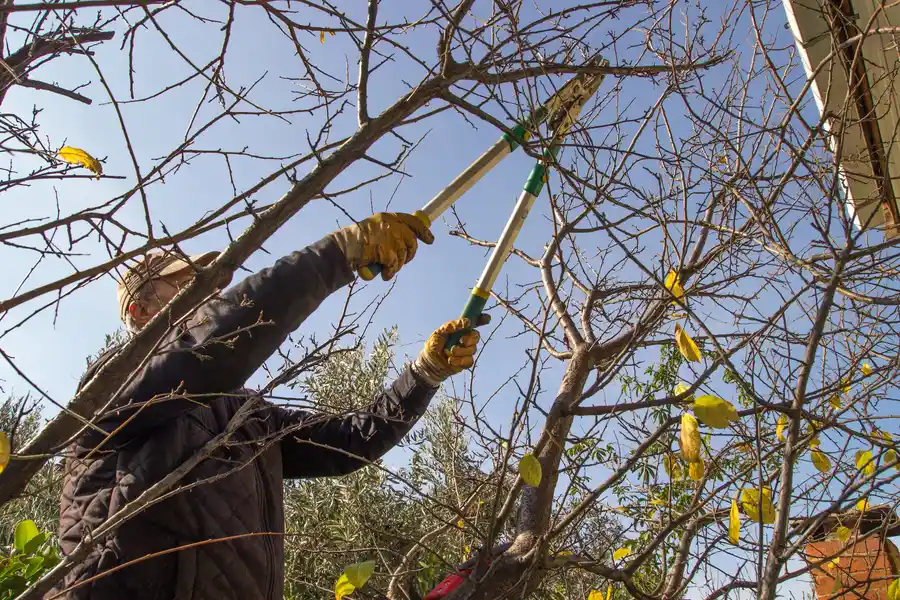
While mulching is beneficial, there are challenges to consider. Choosing the wrong type of mulch can lead to issues like pest attraction or poor drainage. Additionally, applying mulch too thickly might smother plants or promote disease. Regular maintenance is key, much like tree trimming. Keeping an eye on your garden’s needs ensures that mulch remains an asset rather than a hindrance.
How to Effectively Apply Mulch
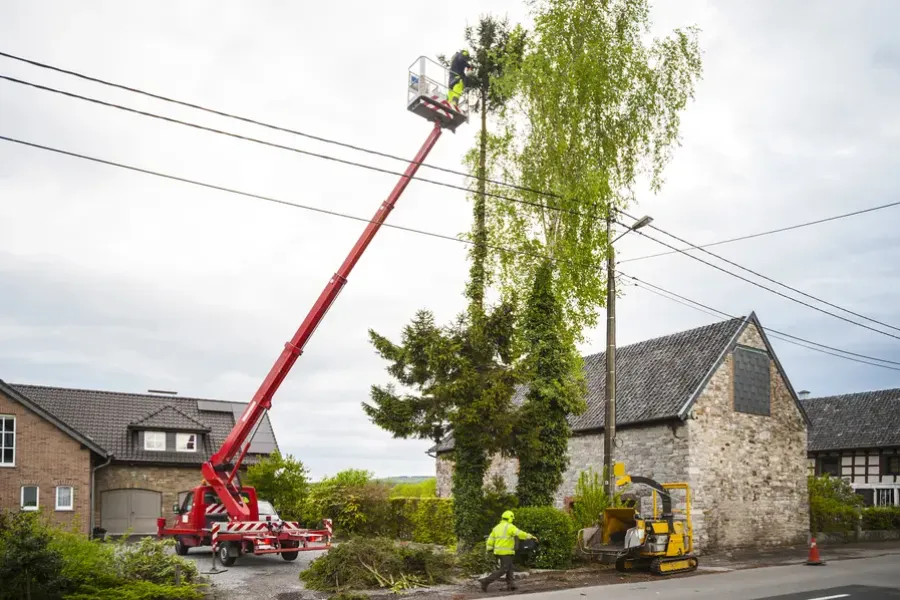
Applying mulch correctly is essential for optimal results. Start by clearing all existing weeds and debris from the area. Next, lay down a 2-4 inch layer of mulch evenly over the soil, keeping it away from plant stems to avoid rot. Monitor mulch thickness regularly. If it compacts too much, fluff it up to allow air circulation, similar to how tree trimming promotes tree health.
Recommended Types of Mulch
- Bark Mulch: Long-lasting and decorative, ideal for flower beds.
- Straw Mulch: Affordable and excellent for vegetable gardens.
- Compost: Rich in nutrients, perfect for enriching garden beds.
- Grass Clippings: Readily available and good for nitrogen addition.
Industry Standards for Organic Mulch
When selecting mulch, consider industry standards for organic materials. Organic mulch breaks down naturally and improves soil structure. It aligns with sustainable gardening practices and supports environmental health. Ensuring that your mulch choice is free from chemicals and safe for plants will yield better results.
Cost Considerations for Mulching
The cost of mulching depends on the material used and the garden size. While some options like grass clippings are free if collected from your lawn, others like decorative bark may be pricier but offer aesthetic appeal. Balance cost with benefits to choose the best option for your budget and gardening goals.
Your Path to a Weed-Free Garden
The right approach to mulching can transform your garden into a lush, weed-free haven. Remember these steps:
- Select suitable mulch material based on your needs and environment.
- Apply evenly and maintain appropriate thickness.
- Regularly check and adjust as necessary for sustained effectiveness.
By following these guidelines, you ensure your garden remains beautiful and low-maintenance.
Get Expert Help With Your Garden Needs
If you need professional advice or assistance with mulching or other garden tasks, reach out today. Located in San Jose, CA, I am committed to helping you achieve a healthy garden. Contact me at (408) 661-2721 to learn more about how Zaqueros Gardening can support your gardening journey.